Kim Smith, International Board Certified Lactation Consultant Regina
  • Kim Smith IBCLC - Home
    • Book an appointment
  • Fee Structure & Service Details
  • Breastfeeding Class
  • Resources
    • Foremilk and Hindmilk: Do You Really Need to Worry About It?
    • Foremilk, Hindmilk, and Baby’s Weight Gain: What Parents Really Need to Know
    • Understanding Tongue Tie's and the Impact on Feeding
    • Infant Growth: Understanding Charts & Weight Gain
    • Donating Breastmilk in Saskatchewan
    • When Your Baby Isn’t Pooping: What’s Normal and What’s Not
    • Breastfeeding Pain
    • Vernix
  • About Me
  • FAQ's
    • What is an IBCLC?
    • Breast Pump Rental
  • Kim Smith IBCLC - Home
    • Book an appointment
  • Fee Structure & Service Details
  • Breastfeeding Class
  • Resources
    • Foremilk and Hindmilk: Do You Really Need to Worry About It?
    • Foremilk, Hindmilk, and Baby’s Weight Gain: What Parents Really Need to Know
    • Understanding Tongue Tie's and the Impact on Feeding
    • Infant Growth: Understanding Charts & Weight Gain
    • Donating Breastmilk in Saskatchewan
    • When Your Baby Isn’t Pooping: What’s Normal and What’s Not
    • Breastfeeding Pain
    • Vernix
  • About Me
  • FAQ's
    • What is an IBCLC?
    • Breast Pump Rental
Search by typing & pressing enter

YOUR CART

1/30/2015 Comments

There are a lot of mothers in Regina breastfeeding with thrush. Are you one of them? What it I told  you it might not be thrush at all? 

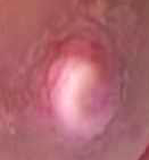
Picturewhite color that can often been seen after feedings
You are a new breastfeeding mother. It has been about ten days and your cracked bleeding nipples aren't healing & you have started to have a burning sensation with deep throbbing pain in your breast. It sometimes lasts for a few minutes, but sometimes hours. The beginning of feeds are terrible and even between feeds you are getting electrical shock like feelings in the breast. If this is you, you are like many other mothers and like many other mothers you may have been told you have thrush. You are given a prescription for nystatin for you and baby. You treat for two weeks and symptoms get mildly better, but it isn't going away. Baby has no symptoms but your pain just won't knock it off. You get Nystatin for a couple more weeks, cut out all sugars, start washing your nipples with grape seed extract and the pain in still persistent. Maybe you have had APNO cream & some Diflucan in there, as well. Still no success. 

How about I suggest to you that if you have thrown every thrush treatment at your nipples and you're not seeing results, that it isn't really thrush you are trying to treat? 

Thrush is very commonly diagnosed, rather misdiagnosed. I do not think that it is as common as we are being led to believe it is. I know you are asking me, "if it isn't thrush than what is it?"

I would say in more likelihood than not, it is vasospasms. Vado-Whats? What are those? The simple answer is that the blood vessels in the are contracting and becoming smaller in diameter - called vasospasms. This can happen for a variety of reason and for some people it can be very painful and occur in various parts of the body, including the nipple in breastfeeding mothers. 

There are risk factors for vasospasms including but not
limited to : 

  • Poor latch, position or clenching during feeds
  • Nipple cracks or trauma, especially severe or reoccurring trauma 
  • Exposure to cold temperatures
  • Periods of severe emotional stress
  • Cigarette smoking or second-hand smoke
  • Caffeine intake 

What are some more symptoms and how would you suspect you have vasospasms? 
  • Nipple/breast pain
  • This pain might be a burning sensation, throbbing, pins & needle-like, deep into the breast, and/or numbing.
  • The pain can last from seconds to hours, and come during or in between feeds.
  • The pain may get worse when the nipples are exposed to cold, i.e. when you step outside in cold weather, or when you get out of a hot shower.
  • When you are having the pain, your nipples will usually change color to pale/white, blue/purple, or dark red. These color changes are a sign that your blood vessels are contracting or spasming. 

What can you do about vasospasms? 
  1. Most importantly, make sure your baby has a good latch and you are pain free during feeds. If you are in pain or are unsure about the latch, get help as soon as you can. I suggest booking an appointment with an IBCLC. Getting the latch and pain resolved is key to stopping and healing your vasospasms. 
  2. Use heat! Stay warm and keep your nipples warm. During episodes of pain and after feeds, use a warm compresses or your own arm or hand to warm the nipple. Always have heat on the nipple while wet. 
  3. Avoid smoking and second hand smoke.
  4. Decrease caffeine intake. 

It is important to seek professional help as soon as possible if this problem is persistent. They can help assess the cause and come up with some remedies for you. They can also explain the use of vitamins, minerals and omega fatty acids (important for healing). There are also prescription medications available, if warranted, and your IBCLC and physician can help accommodate that. 

You do not need to suffer through the pain or end breastfeeding for this to resolve. If you would like to keep breastfeeding, without pain, book an appointment and we can get you back on track. 


Comments

    Kim Smith
    IBCLC,

    Chatting about a variety of birth and breastfeeding topics. 

    Categories

    All Breastfeeding Childbirth Doula IBCLC Lactation Low Supply Postpartum Sleep Thrush Tongue Tie Vasospasms Weight Gain

    Archives

    October 2024
    September 2023
    January 2019
    April 2018
    August 2017
    January 2017
    September 2016
    February 2016
    December 2015
    August 2015
    July 2015
    May 2015
    March 2015
    February 2015
    January 2015
    November 2014
    May 2014
    April 2014
    March 2014

    RSS Feed


​Lactation Consultant (IBCLC)

Breastfeeding Support Regina | IBCLC Regina | Lactation Consultant Saskatchewan

306-550-6143
​[email protected]

​
Quick facts: 
IBCLC since 2010 — over 15 years of supporting families through the beautiful ups and downs of feeding.
Advancing my training in CranioSacral Therapy (CST) — integrating gentle, restorative bodywork to help babies release birth tension and feed with greater ease.
Certified TummyTime™ Method Instructor — helping babies grow strong, mobile, and comfortable from the start.
Former Birth Doula (10 years) — because I know firsthand that how a baby enters the world deeply impacts how they feed.
Retired Medical Laboratory Technologist — grounding my clinical care in both hard science and heart-led compassion.
Wife and Mom of Four — I’ve lived through the cluster feeding, the sleepless nights, and everything in between.
Chai Tea Latte Enthusiast — because a little comfort goes a long way.