When Your Baby Isn’t Pooping: What’s Normal and What’s Not

I get asked about baby poop a lot.
Usually, it’s from a worried parent saying something like:
“My baby hasn’t pooped in a few days — is that normal?”
Sometimes it’s been one or two days. Other times, a week or more. Their baby might be gassy, fussy, or not sleeping well, and everyone they ask — from Google to Grandma — gives a different answer.
I used to believe that it was totally normal for a breastfed baby to go several days without a bowel movement. It’s still what many health professionals and peer supporters are taught today. But after years of working with thousands of families as an IBCLC, I no longer believe that’s normal — and here’s why.
The Old Idea: “Breastmilk Is So Digestible, There’s Nothing Left Over”
You’ve probably heard this one. The logic goes: breastmilk is so perfectly designed that there’s nothing to poop out.
But if that were true, why do we see those famous “poop days” — the ones where a baby finally goes after several days and it’s an epic blowout that takes multiple bags of diaper wipes to clean up? If breastmilk were completely absorbed, there wouldn’t be anything left to cause that kind of explosion.
What We Now Know About Breastmilk and Poop
Newer research has shown that up to 20% of breastmilk contains complex sugars (HMOs – human milk oligosaccharides) that babies can’t digest.
Instead, these sugars feed the good bacteria in a baby’s gut, helping shape a healthy microbiome.
So yes — a baby can gain weight and seem to be doing fine, but still be gassy, fussy, or uncomfortable because their gut flora isn’t balanced.
And often, what helps most is more milk.
More milk means more HMOs, more healthy bacteria, and yes — more poops.
Why Stooling Matters for Milk Supply and Growth
Here’s the bigger issue: when milk isn’t coming out the other end, I always want to know how much is going in.
If a baby is feeding but not stooling, it can be an early sign that they’re not getting quite enough milk.
Waiting until wet diapers decrease can be risky — that’s often a later sign of low intake or poor growth.
In my experience, slow or absent stooling is one of the earliest and most reliable signs that a baby may need more milk.
When milk intake is low, it can affect both the baby’s growth and a parent’s milk supply — starting a frustrating cycle of less feeding, less milk, and more worry.
The good news? With early assessment and support, this can almost always be turned around.
So What Is Normal?
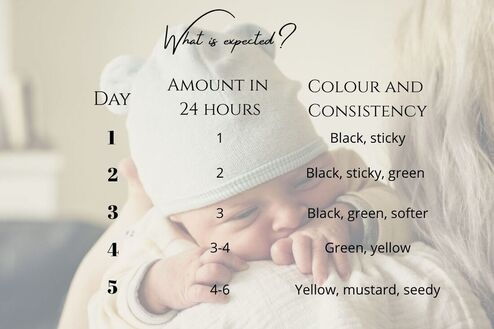
In the early weeks, most breastfed babies should have a bowel movement at least every day — ideally with every few feeds.
As babies get closer to four months, it’s normal for things to slow down a bit, to around two to three poops per day.
Every baby is different, but if your little one is going several days without a bowel movement, especially if they’re fussy or feeding less, it’s worth checking in.
Our understanding of breastfeeding is always evolving.
Even though humans have breastfed forever, we’re still learning the fine details of how it all works — including what’s normal for poop.
If you’re feeling unsure or something doesn’t sit right about your baby’s stooling patterns, don’t brush it off or wait it out.
Let’s take a look together.
I offer both in-person and virtual consultations and would be happy to help you figure out what’s going on — and get things moving again.

Comments